Artificial intelligence (AI) is changing the way Australians work. According to reporting on Deloitte’s Employment Forecasts: The Year of AI, 2026 is expected to be a major year of AI disruption for Australian jobs, especially in roles where large parts of the work can be replicated or assisted by AI. [1]
However, not every job can be moved behind a screen.
Some work still needs trained hands, practical judgement, site attendance and trust. Locksmithing is one of those trades.
AI will change work, but it will not replace every skill
AI is very good at tasks that involve language, data, pattern recognition and repeatable digital processes. That is why many of the roles discussed in AI disruption reports are office-based or task-based roles. [1]
Jobs and Skills Australia also notes that generative AI is expected to reshape work, with some occupations adapting, shifting or becoming more dynamic as AI develops. [2]
That does not mean every job disappears.
In fact, Jobs and Skills Australia’s 2025 report describes generative AI as augmenting work rather than simply replacing it, while increasing demand for digital literacy and human skills. [3]
In other words, the future is not only “AI versus people”. For many industries, the future is people using technology better.
Why locksmithing is different
Locksmithing is a practical trade, it is not just information work.
Jobs and Skills Australia defines locksmiths as workers who install and maintain locks and related security devices and systems. The listed tasks include assembling and repairing precision lock components, installing security systems, changing locks, cutting keys and opening locks by manipulation. [4]
That matters because these tasks happen in the physical world.
A locksmith may need to:
– inspect a door, frame, lock or strike plate
– diagnose a mechanical fault
– repair or replace worn components
– cut or duplicate keys
– install or maintain locking systems
– work with restricted key systems
– safe installation and repairs
– help secure a building after a break-in
– assess what is practical, safe and compliant for the site
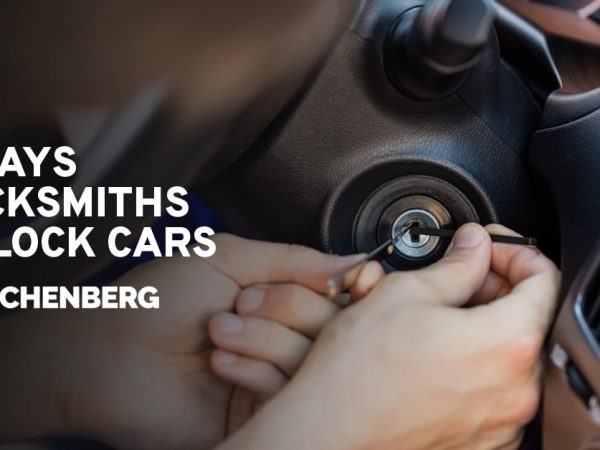
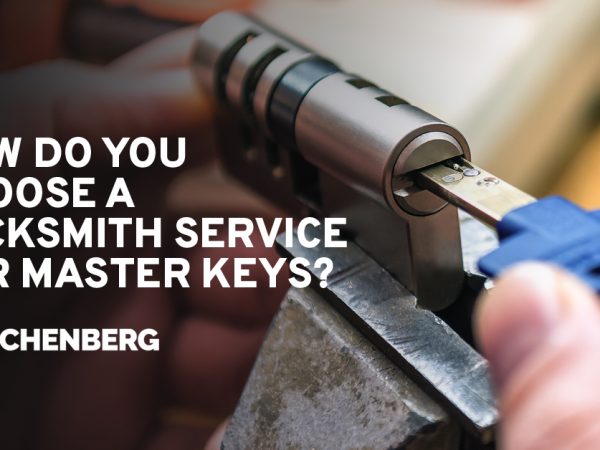
AI can explain what a lock is, it may even help someone understand common causes of a fault, however, it cannot attend the property, inspect the hardware, feel the resistance in a mechanism, cut the key, fit the cylinder, adjust the door closer, or confirm that the lock works correctly under real conditions.
What this means when choosing a locksmith
As security becomes more technical, choosing the right locksmith matters more. A good locksmith is not just cutting keys or changing locks. They are also looking at how the door, lock, key system and access needs all work together. A business may need more than a replacement lock, it may need a restricted key system, electronic access control, or a plan for managing who can enter certain areas.
That is where experience matters, the right advice can help avoid short-term fixes that create bigger security issues later.
AI cannot replace trust on-site
Security work is personal. When someone calls a locksmith, they are often dealing with a real problem: lost keys, a break-in, a faulty lock, a staff change, a restricted key concern, or a business security upgrade. In those moments, trust matters, a locksmith is not just providing a product. They are making decisions that affect access, safety and security.
That is why experience, licensing, professional judgement and local reputation still matter.
AI can generate advice, but it cannot take responsibility for whether a building is actually secure. It cannot physically check whether a latch is engaging properly. It cannot confirm whether a customer has been given the right level of access. It cannot make a damaged door safe after hours. A trained locksmith can.
Why trades will still matter in an AI economy
The World Economic Forum’s Future of Jobs Report 2025 found that technology, AI and automation will continue to transform work globally, with both job creation and job displacement expected by 2030. It also identified growing demand for technology-related skills and continued disruption across industries. [6]
However, this does not remove the need for practical workers.
Buildings still need doors, doors still need locks, businesses still need controlled access, vehicles still need keys, people still get locked out, hardware still wears out, security still has to be installed, tested and maintained in person. That is why trades like locksmithing remain important, they solve real-world problems that cannot be fully automated.
AI may help locksmiths, but it does not replace them
It is also important to be clear: AI is not the enemy of the trade.
Used properly, it may help locksmith businesses improve how they operate. For example, it may assist with:
– customer communication
– job notes
– product research
– scheduling support
– training resources
– documentation and instructions
However, the technical work still depends on skilled people.
The best outcome is not replacing locksmiths with AI, it is giving locksmiths better tools, while continuing to value the trade skills that protect homes, vehicles and businesses.
What this means for young people considering a trade
For students, school leavers or career changers, locksmithing is worth considering because it blends practical skill with technology. It is a trade where you can work with your hands, solve problems, meet customers, and build technical knowledge over time.
TAFE Queensland’s Certificate III in Locksmithing is delivered as an apprenticeship pathway and covers the repair, manufacture and installation of locking and security systems. [5] That pathway matters because locksmithing is not something people learn properly from a screen alone, it takes training, practice, supervision and experience.
In an AI-disrupted job market, that combination is powerful.
Why choose Rechenberg Security and Locksmiths
Rechenberg Security and Locksmiths has been operating since 1971. Over that time, security has changed dramatically, from traditional mechanical locks through to electronic access control, CCTV, alarms and integrated security systems.
However, one thing has not changed: customers still need skilled people they can trust.
We understand both sides of modern security:
– the mechanical side: locks, keys, doors and hardware
– the electronic side: access control, alarms, CCTV and monitoring
That practical experience helps us recommend solutions that suit the site, not just the trend.
The bottom line
AI will continue to change the Australian labour market, some tasks will be automated, some roles will be reshaped, some workers will need to upskill, however, locksmithing remains a trade grounded in physical skill, security knowledge and on-site judgement.
AI can support the work, but it cannot replace the trained hands and practical experience needed to secure a door, cut a key, repair a lock, manage access or assess real-world risk.
For businesses, homes and vehicles, skilled locksmiths will continue to matter.
For people thinking about the future, locksmithing is a reminder that hands-on trades still have a place in an AI world.
If you would like to find out more about the Locksmith trade, please get in contact or visit TAFE Queensland for course details
References
[1] News.com.au, “Deloitte forecasts 2026 as the ‘year of AI disruption’ for Australian jobs”, 7 June 2026.
[2] Jobs and Skills Australia, “Our Gen AI Transition: Exposures, Adaptation, Dynamism”.
[3] Jobs and Skills Australia, “Jobs and Skills Report 2025”.
[4] Jobs and Skills Australia, “Locksmiths”, ANZSCO 323313.
[5] TAFE Queensland, “Certificate III in Locksmithing”.
[6] World Economic Forum, “The Future of Jobs Report 2025”.
[7] Productivity Commission, “Making the most of the AI opportunity: productivity, regulation and data access”.