Fuel is expensive and on-site fuel storage is becoming a bigger target for opportunistic theft, especially when a tank is easy to access after hours.
The good news is you do not need a complicated setup to improve fuel security. Instead, you need a layered plan built around five outcomes:
– Deterrence: make your site look hard to target
– Delay: slow offenders down with physical barriers
– Detection: know quickly before they reach the target
– Monitoring: verify events and respond fast
– Evidence: capture clear footage and details if it does happen
This article explains what that looks like in practice, and how Ajax alarms and Ajax CCTV/NVR can be used to protect tanks, bowsers, depots and storage yards.
Why fuel becomes a target when prices rise
When fuel costs more, every litre stored on-site becomes more valuable. At the same time, the ACCC has reported that petrol and diesel prices rose sharply in late February and early March 2026, and it has begun publishing weekly monitoring updates as prices surge.
That matters because stored fuel can be stolen quietly. In addition, a single incident can disrupt operations, not just cost money.
The layers that reduce fuel theft
1) Deterrence: make the site feel “hard to steal from”
Deterrence is about psychology and friction. If an offender can see lighting, signage, cameras and a monitored area, they are more likely to move on. Therefore, your first goal is to remove the easy opportunity.
Practical deterrence measures include:
– Strong lighting that removes dark corners
– Clearly visible cameras covering approach routes
– Alarm sirens placed where they are easy to hear
– Restricted entry to fuel compounds and control points
Importantly, deterrence works best when the visible measures are backed by real detection.
2) Delay: slow them down at the gate, fence and bowser
Delay is the “make it take longer” layer. Even if someone attempts theft, strong physical barriers increase the time, effort and noise required. As a result, offenders are more likely to give up or be detected before they get fuel.
Practical delay measures for on-site fuel include:
– Heavy-duty locks and latches on fuel compound gates
– Secured fencing to prevent easy access to the tank area
– Lock protection around the bowser or nozzle area
– Locking caps and physical protection on fill points
This layer is important because it buys time for the next layer (detection) to work.
3) Detection: know early, not after the tank is half empty
Detection means getting an alert before the incident happens. In other words, you want to know when someone enters the fuel zone, not when you notice fuel is missing the next morning.
That is why outdoor detection is useful around fuel storage. It can trigger as someone approaches the tank, gate, or bowser area.
How AJAX alarms fit in
AJAX can be used for early intrusion alerts around the tank area and access points. In addition, photo verification can reduce guesswork.
An AJAX MotionCam Outdoor is a wireless outdoor motion detector with a camera for alarm verification, including anti-masking protection. Instead of wondering what triggered the alarm, you can quickly confirm activity and act faster.
A practical detection plan usually focuses on:
– The vehicle approach route
– Gates and entry points to the fuel zone
– The tank and nozzle area
– Pump controls and switch locations
4) Monitoring and escalation: verify events and respond fast
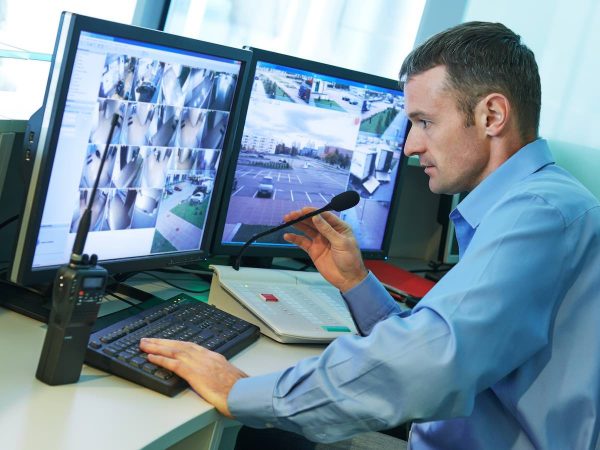
This is the layer many sites miss. An alarm can trigger quickly, and CCTV can record clearly. However, a response still depends on someone seeing it and acting on it.
That’s where Rechenberg monitoring helps. With a monitoring arrangement in place, alerts can be assessed promptly. Importantly, when events are verified (for example via photo verification or live CCTV), the response can be escalated to nominated contacts. Depending on the situation and your response plan, that can include contacting police.
This layer is especially useful for:
– after-hours sites
– remote yards and depots
– businesses where staff cannot safely investigate
– high-value fuel storage where response time matters
If you want this layer, it needs to be set up properly with:
– agreed escalation steps (who gets called first and when)
– keyholder details and access notes
– the right mix of detection and cameras so events can be verified quickly
5) Evidence: record what matters, clearly
Evidence is what you need when you must identify a vehicle, a person, and a timeline. This is where CCTV and recording matter, however, camera placement is everything. If the camera only shows the tank, but not the approach route, you often miss the key details.
How Ajax CCTV and NVR fit in
Ajax’s NVR supports viewing live and archived video in Ajax apps, and it can connect Ajax video devices and third-party IP cameras. As a result, you can design a system that suits your site while keeping viewing simple.
For fuel storage, aim to cover:
– The tank and bowser
– The approach and exit route
– The area where containers could be filled
– The pump control point, where applicable
A simple “fuel security” setup that works for many sites
If you want a clear starting pointfor a layered approach:
Layer 1: Deter
Lighting, visibile cameras, signage
Layer 2: Delay
Locks on gates, fencing, and bowser protection
Layer 3: Detect
Outdoor detection on the fuel zone
Siren response
Photo verification for faster decision-making
Layer 4: Monitoring
Verified event checks
Escalation to keyholders
Police contact when appropriate under your response plan
Layer 5: Evidence
CCTV covering tank, bowser and access routes
Recording and remote viewing via an app
As a result, your site becomes harder to target, and easier to manage.
Why Rechenberg Security
Fuel security is rarely solved with one product. Instead, it is a site-specific plan that considers access, after-hours activity, sight lines and workflow. We focus on practical security that suits real operations, including yards, depots, farms and trade sites.
We can help by:
– assessing tank location, access points and blind spots
– scoping a layered plan across alarms, access control and CCTV
– supplying and installing Ajax systems where appropriate
– setting up alerts and user access so the system is actually used
– setting up a monitoring and escalation pathway, if you want that layer
Next step
First, walk your fuel area and note the weak points: access, lighting, visibility and camera coverage.
Then, if you want a practical fuel security setup using Ajax alarms and Ajax CCTV/NVR, contact Rechenberg Security to scope a solution that fits how your site runs and how you want incidents handled.